Leaving the Coast Behind: Why Young Families Are Planting Roots in Pueblo Grande
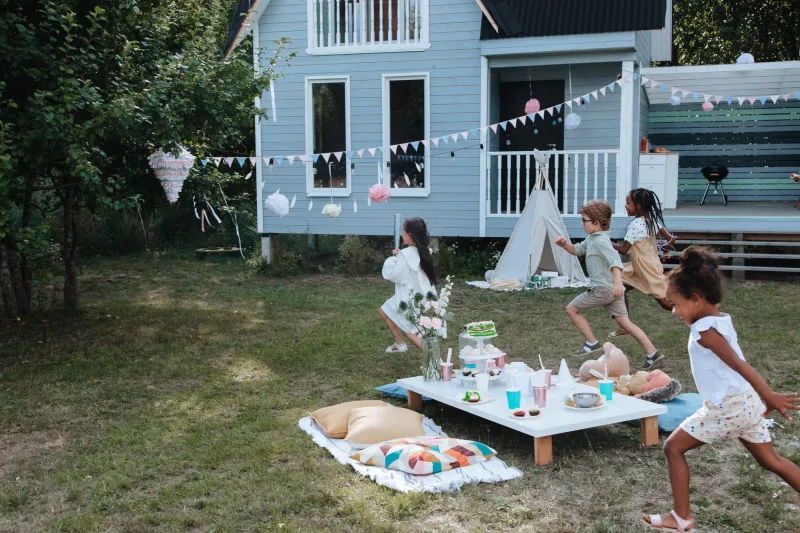
When Marisol and Derek Chen sold their 900-square-foot condo in San Francisco two years ago, their friends thought they were making a mistake. "Everyone kept asking us, 'But what will you do there?'" Marisol laughs. Today, their three kids have a backyard, a dog, and a school district that's earned national recognition. Derek's commute is now a ten-minute drive. "We don't miss it," she says simply. "Not even a little."
The Chens aren't an anomaly. They're part of a quiet but accelerating movement — one that's reshaping the demographics of communities like Pueblo Grande from the inside out.
The Numbers Don't Lie
U.S. Census data and real estate tracking firms have been documenting a steady migration away from high-cost metros like Los Angeles, New York, Seattle, and Boston for several years now. What's changed more recently is who is moving. It's no longer just retirees chasing warm weather or remote workers fleeing studio apartment prices. Increasingly, it's families in their late 20s and 30s — dual-income households, parents of young children, people who are deliberately choosing a different kind of life.
In the Southwest specifically, communities with strong infrastructure, accessible outdoor recreation, and growing job markets have seen some of the most significant population gains. Pueblo Grande checks all of those boxes, and then some.
Median home prices here remain substantially lower than in most coastal metros, but that headline figure only scratches the surface. When families do the full math — factoring in state income tax, property tax rates, childcare costs, and the sheer square footage they can actually afford — the difference can easily reach six figures annually. That's real money that gets redirected into college savings accounts, family vacations, or simply a financial cushion that coastal living rarely allows.
More Room to Actually Live
Ask any family who's made the move and the conversation almost always comes back to space. Not just physical square footage — though that matters — but psychological room to breathe.
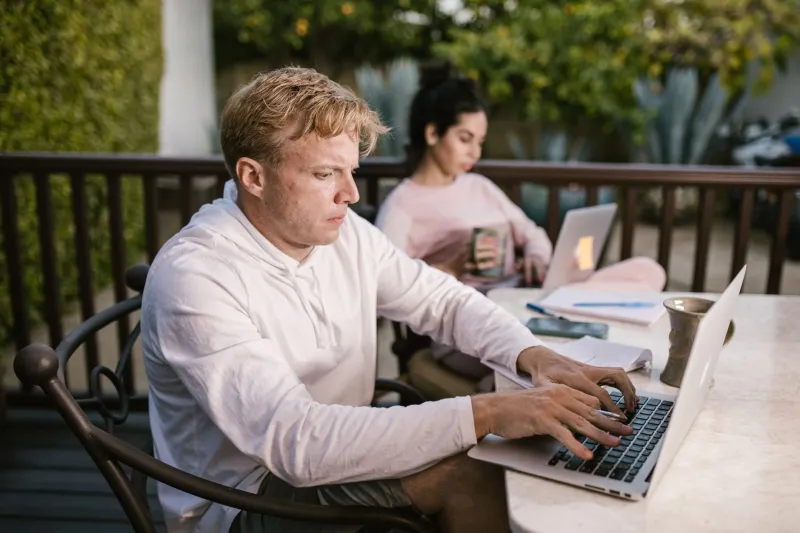
Jamie Okonkwo relocated from Brooklyn with his wife and two daughters about eighteen months ago. He works remotely for a logistics company and had been technically free to move for years before finally pulling the trigger. "We kept telling ourselves we'd miss the culture, the restaurants, the energy," he says. "And sure, there are things we miss. But my daughters play outside every single day. We go hiking on weekends. We know our neighbors' names. That's not nothing — that's actually everything."
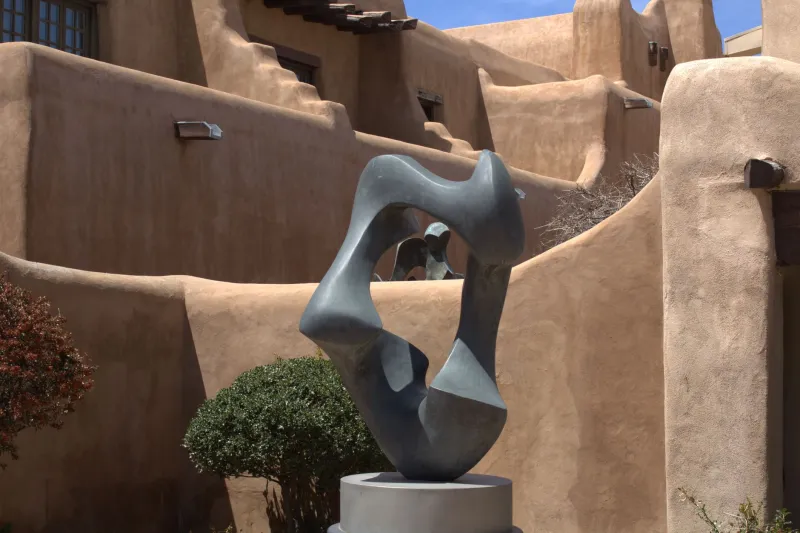
Pueblo Grande's landscape plays a starring role in these stories. The surrounding desert and mountain terrain offers hiking, mountain biking, stargazing, and a kind of natural quiet that urban families often don't realize they're craving until they experience it. Kids who grow up here develop a relationship with the outdoors that's genuinely hard to replicate in a densely packed city environment.
Schools, Community, and the Intangibles
Affordability gets the headlines, but families consistently cite school quality and community feel as the factors that sealed the deal.
Pueblo Grande's school districts have been investing heavily in STEM programs, arts education, and bilingual learning opportunities — a reflection of the region's rich cultural heritage and its eye toward the future. Class sizes tend to be more manageable than in overcrowded urban districts, and parent involvement in local schools runs high. It's the kind of environment where teachers actually know your kid's name.
Then there's the community piece, which is tougher to quantify but impossible to ignore. New arrivals frequently describe a neighborliness that caught them off guard. Block parties, community gardens, youth sports leagues that don't require a two-hour commute to participate in — these are the textures of daily life that make a place feel like home rather than just a place you sleep.
"Back in Boston, I lived in my building for four years and didn't know a single person on my floor," says Priya Nair, who moved to Pueblo Grande with her husband and infant son last spring. "Here, we had people bringing us food within a week of moving in. That felt like something."
What Families Are Actually Buying
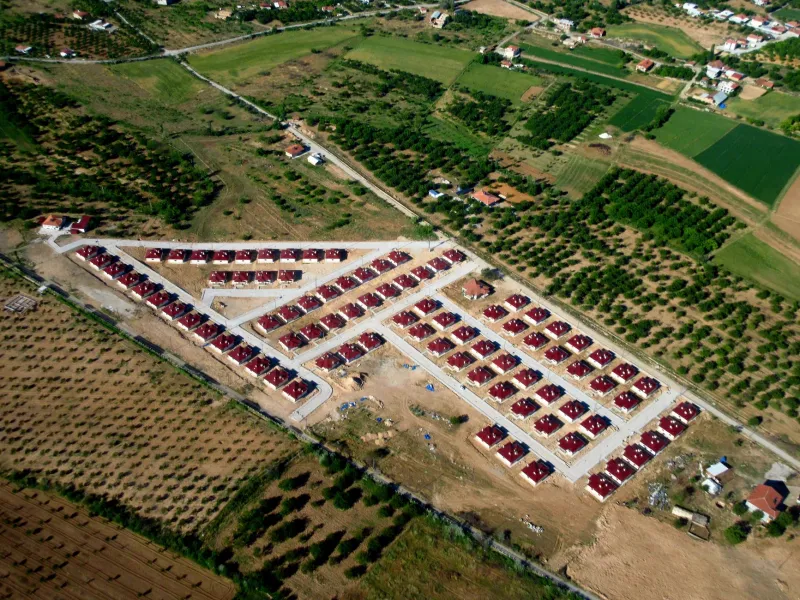
The Pueblo Grande real estate market has responded to this demographic shift in real ways. Developers are building with young families in mind — open floor plans, dedicated home office spaces, larger lots, and proximity to parks and trail systems. New construction communities are popping up with community pools, playgrounds, and walkable access to local amenities.
For families coming from coastal markets, the purchasing power can feel almost disorienting. A budget that would buy a cramped two-bedroom in a mid-tier Los Angeles neighborhood can secure a spacious four-bedroom home with a yard in Pueblo Grande — often in a newer build with modern finishes and energy-efficient systems.
That said, the market has been moving. Inventory has tightened as demand has grown, and prices have risen in the most sought-after neighborhoods. Families who are thinking about making the move would be wise not to wait too long — the window of relative affordability, while still open, isn't unlimited.
A Place That Grows With You
Perhaps the most compelling thing about what families are finding in Pueblo Grande is that it doesn't feel like a compromise. That's the narrative that surprises people most — the idea that you don't have to sacrifice quality of life to escape the financial pressure cooker of coastal living.
You can have good schools and a mortgage that doesn't consume your entire paycheck. You can have genuine community and access to world-class outdoor recreation. You can raise kids in a place with deep cultural roots, a strong sense of identity, and a future that's genuinely being built right now.
For the Chens, that reality has long since stopped being a surprise. Their kids are thriving. Their stress levels are down. And their backyard, Marisol notes, has become the neighborhood gathering spot on Friday evenings.
"People kept asking what we'd do here," she says. "Turns out, we'd actually start living."