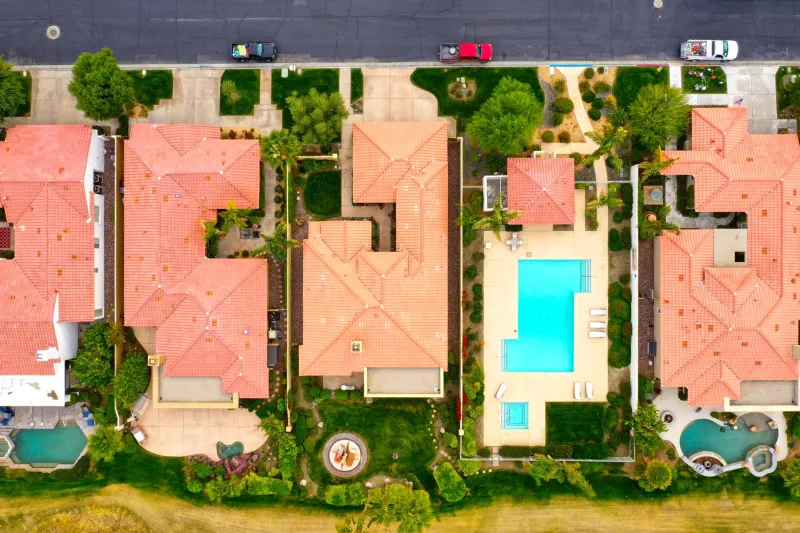
From Landlord to Homeowner: Why Pueblo Grande Investors Are Moving Into Their Own Rentals
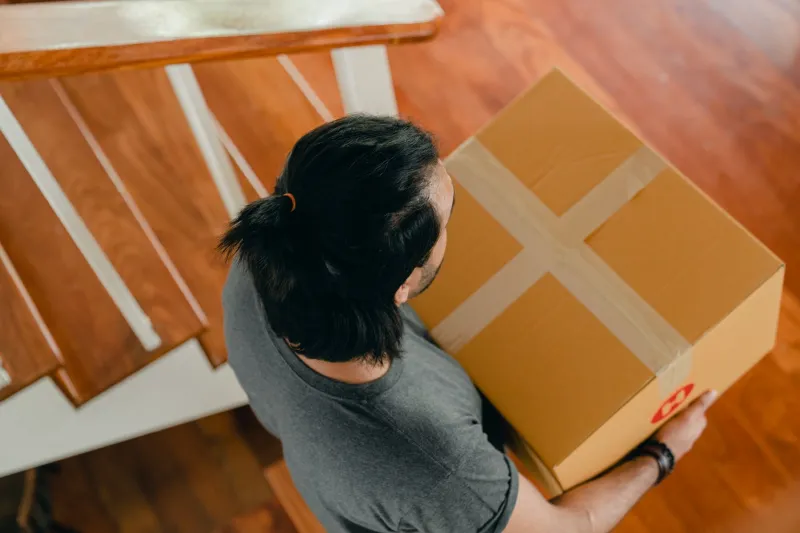
For years, the playbook was simple. Buy a property in Pueblo Grande, lease it out, collect monthly income, repeat. It was a strategy that worked well — right up until it didn't. Now, a growing number of local investors are tearing up that playbook entirely, choosing instead to move into the very properties they once rented out. And the reasons why are more layered than you might expect.
The Rental Market Math Stopped Working Both Ways
Here's the thing about rising rental prices: they're great if you're the landlord, but they also signal something bigger happening in the market. In Pueblo Grande, rents have climbed steadily over the past several years, pricing out long-term tenants and making it harder to find reliable renters who'll treat the place well. At the same time, the cost of maintaining a rental — repairs, property management fees, vacancy gaps — has crept upward too.
For some investors, the calculation quietly flipped. Instead of asking "how much can I charge per month," they started asking "what would it actually cost me to live here?" In many cases, the answer was surprisingly favorable. Converting a rental into a primary residence often means lower effective housing costs than renting something else, especially when you factor in mortgage interest deductions, homestead exemptions available in many Southwest states, and the elimination of property management overhead.
Marcos V., who owns two properties in Pueblo Grande, made the switch last spring. "I was paying rent somewhere else while collecting rent here. Then I did the actual math and realized I was basically subsidizing someone else's lifestyle when I could just... live here." He moved into his three-bedroom investment property in March and hasn't looked back.
It's Not Just About the Money
Financial logic gets people started on this path, but it's rarely the whole story. Talk to enough people who've made this move and a common theme emerges: they wanted to actually belong somewhere.
Pueblo Grande has a distinct sense of place — the kind of community where neighbors know each other's names, where local businesses thrive on regulars, and where the landscape itself feels like it's asking you to slow down and stay awhile. For investors who'd spent years treating their Pueblo Grande properties as line items on a spreadsheet, something shifted. They started seeing them as homes.
Teresa and David R. bought a casita-style property as a short-term rental five years ago. After a couple of seasons of managing guest turnover, they found themselves daydreaming about living there permanently. "We kept telling guests how great the area was and then driving back to our apartment in the city," Teresa laughs. "Eventually we just decided to become the people we were always describing."
They converted the property, made a few modifications to suit long-term living rather than vacation stays, and now consider Pueblo Grande home. Their investment, once a source of passive income, became the foundation of a life they actually wanted.
What the Conversion Process Actually Looks Like
Converting a rental to a primary residence isn't just an emotional decision — there are practical and financial steps involved that are worth understanding before you make the leap.
First, there's the mortgage consideration. If you financed your rental property as an investment (which typically carries a higher interest rate), you may be able to refinance at a primary residence rate once you establish it as your main home. That alone can mean meaningful monthly savings.
Second, many states offer homestead exemptions that reduce the taxable value of a primary residence — a benefit that rental properties don't qualify for. In the Pueblo Grande area, this can translate to hundreds of dollars in annual tax savings.
Third, and this is the part investors sometimes overlook, there are capital gains implications to think through if you ever plan to sell. Primary residences come with significant exclusions on capital gains taxes that investment properties don't. Consulting with a local real estate attorney or CPA before making the switch is genuinely worth the time.
How This Trend Is Reshaping Neighborhoods
Zoom out a little and the neighborhood-level effects of this trend become visible. When investor-owned rentals convert to owner-occupied homes, the character of a street can shift noticeably. Owner-occupants tend to invest more in curb appeal, maintain properties more consistently, and engage more actively in neighborhood life.
Long-time Pueblo Grande residents have noticed. Block associations report stronger turnout. Local businesses see more regulars. The transient quality that can sometimes accompany dense rental markets gives way to something more stable and connected.
There's a flip side worth acknowledging, too. As more rentals convert to owner-occupied homes, the supply of available rental housing tightens. That's a real concern for people who aren't yet in a position to buy. It's one of the more complicated dynamics this trend introduces — and one that community planners in the area are watching closely.
Is This Move Right for You?
If you're an investor holding property in Pueblo Grande and you've found yourself wondering whether the math might work in your favor, it's probably worth running the numbers seriously. Talk to a local lender about refinancing options. Look into your county's homestead exemption eligibility. And maybe spend a weekend at the property — not as a landlord doing an inspection, but as someone imagining what it would feel like to actually live there.
For a lot of people who've made this transition, the answer has been pretty clear. Pueblo Grande has a way of doing that — making you realize you've been visiting somewhere you should have been calling home all along.