Old Bones, New Shine: How Pueblo Grande Renovators Are Turning Fixer-Uppers Into Southwest Showstoppers
There's a certain kind of buyer who walks into a 1970s stucco home with cracked tile floors and a kitchen that hasn't been updated since Reagan was president — and instead of walking out, they start doing math. In Pueblo Grande, that kind of buyer is becoming a lot more common. And for good reason.
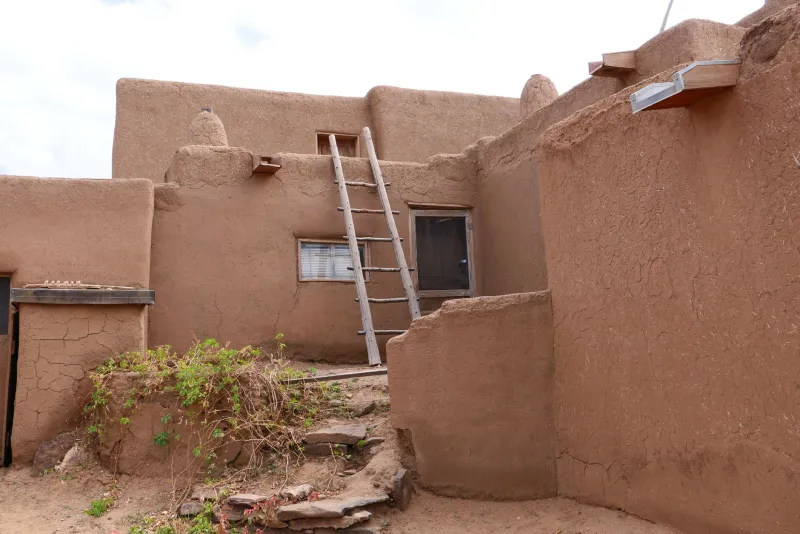
Older homes here tend to carry something newer builds simply can't manufacture: character. Thick adobe walls. Deep-set window niches. Hand-carved wood details. Exposed vigas on the ceiling. These aren't just aesthetics — they're the architectural DNA of the Southwest, and buyers who know how to work with them rather than against them are coming out ahead in a big way.
Why Pueblo Grande's Older Housing Stock Is a Hidden Opportunity
The region has seen steady appreciation across the board, but it's the older, more affordable entry points that are drawing the sharpest investor attention right now. A home built in the 1960s or '70s that needs work can still be purchased at a meaningful discount compared to move-in-ready inventory — and in a market where every dollar counts, that spread matters.
The key is understanding what you're buying into. Pueblo Grande's older homes were often built with quality materials suited to the desert climate. Adobe and rammed earth construction, for example, offers natural insulation that modern builders are still trying to replicate with spray foam and synthetic materials. When those homes need work, it's often cosmetic or systems-related — roofing, HVAC, electrical — rather than structural. That changes the renovation math considerably.
"People see the dated finishes and assume the worst," says one local contractor who's worked on dozens of renovation projects in the area. "But a lot of these homes have great bones. Once you replace the mechanicals and update the surfaces, you've got something really special."
The Renovations That Actually Move the Needle
Not all upgrades are created equal, and in Pueblo Grande's market, a few specific improvements consistently deliver the strongest return on investment.
Kitchen updates remain the perennial leader. Buyers respond strongly to open layouts, quality countertops, and updated appliances — but the smart move here is to keep the aesthetic grounded in the region. Saltillo tile, warm wood cabinetry, and hand-painted Talavera accents can modernize a kitchen without stripping away the Southwest feel that makes these homes distinctive. Full kitchen remodels in the area are returning an average of 65–80% of costs at resale, with higher-end finishes pushing toward the top of that range when paired with thoughtful design.
Bathroom refreshes are close behind. Older homes in Pueblo Grande often feature small, compartmentalized bathrooms that feel dated. Opening up the layout, adding a walk-in shower with natural stone tile, and improving lighting can transform a liability into a genuine selling point. Budget-conscious renovators are finding that targeted updates — new vanity, updated fixtures, fresh tile — can accomplish a lot without a full gut job.
Outdoor living spaces are arguably the highest-leverage investment in this specific market. Pueblo Grande's climate makes outdoor living a year-round reality, and buyers know it. Adding or expanding a covered patio, installing a fire pit, or creating a shaded courtyard with drought-tolerant landscaping can dramatically increase perceived value. One homeowner near the east side of town invested around $18,000 in a rear courtyard renovation — flagstone pavers, a ramada structure, and native plantings — and saw their appraisal jump by nearly $35,000 at the time of sale.
Energy efficiency upgrades are increasingly a deal-maker rather than a nice-to-have. Replacing single-pane windows, adding blown-in insulation, and upgrading to a high-efficiency HVAC system lowers utility costs in ways that buyers here can actually quantify. In a high-desert climate where summer cooling bills can spike, demonstrable energy savings are a genuine selling feature.
Keeping It Authentic: Why Design Matters as Much as Budget
Here's where a lot of renovation projects go sideways: the finishes feel wrong. A Pueblo Grande home with granite countertops, gray LVP flooring, and chrome fixtures might be perfectly nice — but it could be anywhere. Buyers who are drawn to this region are often specifically drawn to the sense of place, and renovations that erase that in favor of generic trends tend to underperform at resale.
The most successful renovators in the area are the ones who treat Southwest design as an asset rather than an obstacle. That means restoring original vigas instead of covering them with drywall. It means repairing existing Saltillo tile rather than ripping it out for something more "modern." It means choosing earthy plasters in warm ochres and terracottas over bright whites that fight the light.
"There's a reason people move here instead of somewhere else," notes one local interior designer who specializes in Southwest residential projects. "They want the texture, the warmth, the history. When a renovation honors that, it resonates. When it ignores it, buyers feel the disconnect even if they can't articulate why."
Navigating Contractors and Permits Without Losing Your Mind
Renovating an older home in any market comes with its share of surprises, and Pueblo Grande is no exception. A few practical tips from folks who've been through it:
Get a thorough inspection before you close. Older homes here can have issues with original plumbing materials, older electrical panels, or flat roofs that have seen better days. Knowing what you're walking into lets you budget realistically rather than getting blindsided mid-project.
Work with contractors who have regional experience. Adobe repair, for example, is a specialized skill. Not every general contractor knows how to properly repoint or patch an adobe wall without creating moisture problems down the road. Ask for references from similar projects and look at their past work before signing anything.
Pull your permits. It's tempting to skip the paperwork on smaller projects, but unpermitted work can complicate financing and appraisals when you go to sell. Pueblo Grande's permitting process is manageable — just factor in the timeline when you're planning your project schedule.
Budget a contingency. Seriously. Most experienced renovators recommend setting aside 15–20% of your total budget for the unexpected. Older homes have a way of revealing surprises once the walls come open.
The Bottom Line
Pueblo Grande's fixer-upper market isn't for the faint of heart — but for buyers who go in with clear eyes and a solid plan, the upside is real. The combination of lower purchase prices, meaningful appreciation potential, and the ability to shape a home that genuinely reflects the character of the region makes strategic renovation one of the more compelling plays in today's market.
The homes are out there. The opportunity is there. The question is whether you're ready to see past the dated countertops and imagine what's possible on the other side of a smart renovation.