How Buying in Pueblo Grande Frees Up the Money That Pays for Your Kids' Future

Photo by Photo by A n v e s h on Unsplash on Unsplash
There's a version of the American Dream that goes something like this: buy a house, watch it appreciate, and use that growing wealth to give your kids a better shot than you had. In most markets right now, that dream costs a fortune just to get started. But in Pueblo Grande, families are finding that the math actually works — and the kids are the ones who benefit most.
The Equity Gap Nobody Talks About
When financial planners talk about wealth-building, they almost always circle back to real estate. Home equity remains the single largest asset on most American families' balance sheets. The problem? In high-cost metros like Denver, Phoenix's core, or anywhere on the California coast, the down payment alone can drain savings that might otherwise go toward a 529 college plan or a retirement account.
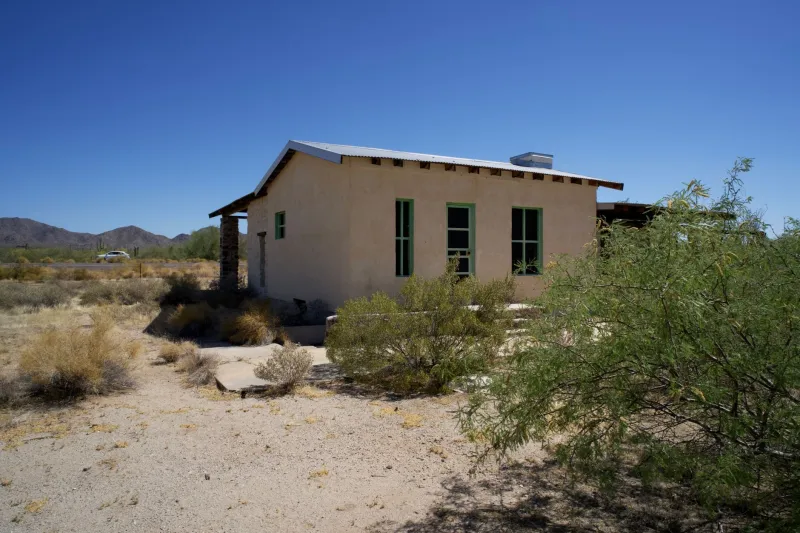
Pueblo Grande changes that equation in a meaningful way. Entry-level homes here come in at price points that don't require a family to empty every account just to get through closing. And once you're in, the equity tends to build faster relative to what you paid — partly because the baseline was lower, and partly because demand in this part of the Southwest has been quietly and steadily climbing.
Compare that to a family stretching to buy in a saturated market: they're often so house-poor after the purchase that discretionary savings disappear for years. College funds stall. Retirement contributions shrink. The house is technically an asset, but it's eating everything else alive.
Real Families, Real Numbers
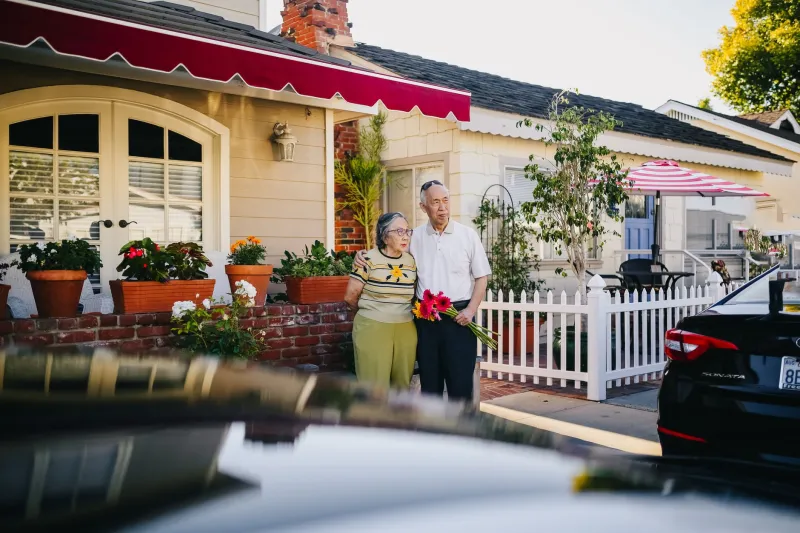
Take the Garcias, a family of four who relocated to Pueblo Grande from a mid-sized Colorado city about six years ago. Their previous mortgage had been nearly $2,100 a month. When they bought in Pueblo Grande, they landed a comparable-sized home — three bedrooms, a yard, a two-car garage — for a monthly payment just under $1,400. That $700 monthly difference didn't vanish into lifestyle inflation. They made a deliberate choice to redirect it.
"We set up an automatic transfer the same day we signed the closing docs," says Maria Garcia. "Half went to the kids' 529s, half went to our Roth IRAs. Six years later, we've got over $50,000 sitting in education savings that just wouldn't exist if we'd stayed where we were."
The Garcias aren't unique. Across Pueblo Grande, families who came from pricier markets describe a similar recalibration — one where the savings on housing don't just feel theoretical but actually show up in account balances.
What the Market Data Supports
Pueblo Grande's home values have appreciated steadily over the past decade without the volatile boom-and-bust swings that plague flashier markets. That consistency matters enormously for families thinking in 10- or 15-year windows — exactly the horizon that lines up with saving for a child's college education.
Because the purchase prices are lower to begin with, the percentage gains on equity translate to a higher return relative to initial investment. A home purchased at $280,000 that appreciates to $370,000 over eight years represents a gain of roughly $90,000 — and the family wasn't hemorrhaging money on a $3,000-a-month mortgage to get there.
Lower property taxes, reasonable homeowners insurance rates, and utility costs that benefit from Southwest solar efficiency all contribute to a total cost of ownership that leaves more room in the monthly budget. That room is where college savings actually happen.
The 529 Strategy That Works Here
Financial advisors who work with Pueblo Grande families often point out that the real opportunity isn't just the lower mortgage payment — it's the compounding effect of starting a college fund earlier and funding it more consistently.
A family that contributes $500 a month to a 529 plan starting when a child is born has a dramatically different outcome than a family that starts at age eight because they were finally done paying off a high-cost mortgage. Over 18 years, even modest market returns can turn consistent contributions into a fully-funded four-year education at a state university.
"I always ask new clients what they're doing with the difference between what they were paying before and what they're paying now," says a Pueblo Grande-area financial planner who asked not to be named. "The ones who have a plan for that delta are the ones who show up to their kids' college orientations without any financial anxiety."
The Compounding Effect of Living Here
There's also something less quantifiable at play. When housing costs aren't a constant source of stress, families make better financial decisions across the board. They're less likely to raid retirement accounts in an emergency. They're more likely to stay invested through market dips. They have the mental bandwidth to actually think about long-term goals instead of just surviving the next billing cycle.
Pueblo Grande's lower cost of living extends beyond the mortgage. Groceries, dining, and everyday expenses tend to run below the national average in this part of the Southwest. That's not a trivial detail — it's the difference between a family that saves and a family that intends to save.
Getting the Most Out of the Market
For families considering a move here, real estate professionals consistently recommend a few key strategies. First, don't let the lower price point lead to underbuying — a home with room to grow means you're not forced to sell and move up in five years, which resets your equity timeline. Second, treat the monthly savings like a fixed expense from day one. Automate the transfer to your 529 or investment account before lifestyle creep has a chance to absorb it.
Third — and this is the part that surprises people — think about the property itself as a long-term education asset. Several Pueblo Grande families have used home equity lines of credit to cover college costs after years of appreciation, essentially letting the house pay tuition without touching liquid savings.
The Bottom Line
Pueblo Grande isn't just a place to buy a house. For families thinking about the full arc of their financial lives, it's a place where buying a house doesn't crowd out everything else. The equity builds, the savings accumulate, and the kids end up with options that families in more expensive markets are still struggling to provide.
That's not a small thing. That's the whole point.