Built on Ancient Ground: How Pueblo Grande's Indigenous Roots Are Shaping the Homes and Neighborhoods of Tomorrow
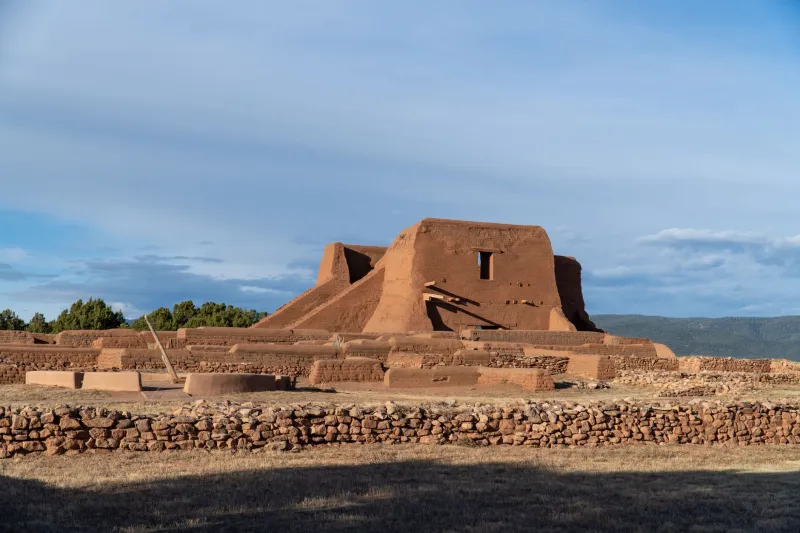
Before the subdivisions, before the survey stakes, before any of it — there were people here. They built with adobe and stone, oriented their structures to track the sun, and designed communities around shared gathering spaces and the rhythms of the desert. They understood this land in ways that took centuries to develop.
In Pueblo Grande, that history isn't buried under the present. It's woven into it.
The region's deep ties to Native American history and its archaeological significance aren't just points of civic pride — they're increasingly shaping how contemporary developers, architects, and community planners approach the work of building new neighborhoods. The result is something genuinely interesting: modern homes and communities that feel rooted in their landscape rather than dropped onto it.
The Land Remembers
Pueblo Grande's archaeological heritage is substantial. The area contains evidence of ancient Hohokam settlements, a civilization that thrived in the Sonoran Desert for over a thousand years and developed sophisticated irrigation systems, communal architecture, and a deep relationship with the land that sustained them. The ruins and artifacts they left behind aren't just museum pieces — they're a record of what it actually looks like to build a sustainable community in a desert environment.
Local historians and tribal cultural liaisons have increasingly become collaborators in the development process, not afterthoughts. When new communities break ground in and around Pueblo Grande, responsible developers engage in consultation processes with indigenous communities to ensure that sacred sites are respected, that cultural resources are protected, and that the stories embedded in the landscape aren't erased in the name of square footage.
"This land has hosted communities for millennia," says one regional architect who has worked on several Pueblo Grande residential projects. "If you're going to build here, you have an obligation to understand what that means — architecturally, culturally, and ethically."
Adobe Isn't Just Aesthetic
Walk through some of the newer residential communities in Pueblo Grande and you'll notice something: the architecture doesn't fight the desert. It leans into it.
Thick-walled construction that echoes adobe building traditions isn't just a stylistic nod to the past — it's thermally intelligent. Those walls absorb heat during the day and release it slowly at night, reducing cooling loads and keeping interior temperatures more stable without hammering the AC. Flat or low-pitched rooflines, deep-set windows, and covered portals (the Southwestern term for those shaded outdoor walkways that blur the line between inside and outside) all trace their lineage to indigenous and Spanish Colonial building traditions that evolved specifically for this climate.
Some developers have gone further, incorporating rammed earth, natural stone, and locally sourced materials that reduce the carbon footprint of construction while creating homes that genuinely belong to their surroundings. The color palettes — warm terracottas, sandy tans, dusty sages — aren't arbitrary. They're drawn from the desert itself.
For homeowners, this translates to spaces that feel calmer, more grounded, and frankly more beautiful than a stucco box painted beige. It also translates to lower utility bills and homes that age gracefully in a climate that can be hard on lesser materials.
Community Planning with a Deeper Compass
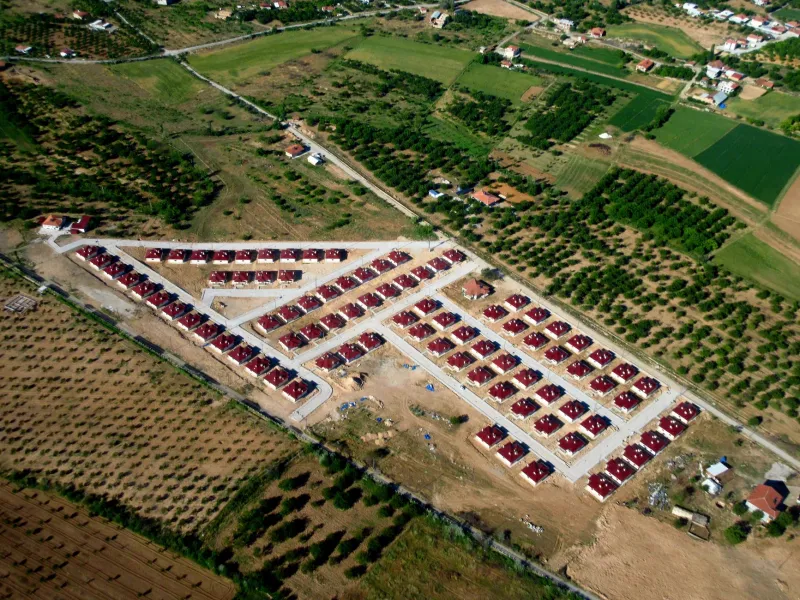
Beyond individual homes, the influence of indigenous community values is visible in how some of Pueblo Grande's newer neighborhoods are being laid out.
Traditional Pueblo communities were organized around shared central spaces — plazas, communal gathering areas, places where the social fabric of the community was maintained through daily life. Contemporary planners drawing on this model are pushing back against the isolated-cul-de-sac model of suburban development in favor of neighborhoods with genuine communal cores.
That might mean a central plaza with shade structures and seating, a community garden where residents grow desert-adapted vegetables and native plants, or walking paths that connect homes to shared amenities rather than routing everyone to their garage and nowhere else. It sounds simple, but the effect on neighborhood culture is significant. People actually run into each other. Relationships form. Communities become communities rather than just collections of houses.
The orientation of homes and streets to maximize passive solar gain and natural ventilation — principles that ancient Pueblo builders understood intuitively — is also making a comeback in thoughtfully designed developments, reducing energy demands and making outdoor living more comfortable across more months of the year.
Honoring Heritage Without Appropriating It
It's worth being direct about a tension that exists in this space: there's a difference between genuinely honoring indigenous heritage and simply mining it for aesthetic value. The former requires ongoing relationships, consultation, and respect. The latter is a shortcut that ultimately disrespects the very history it claims to celebrate.
The developers and architects doing this well in Pueblo Grande are the ones who've built authentic partnerships with tribal historic preservation offices and indigenous community organizations. They're the ones funding archaeological surveys before they break ground, incorporating educational components into their community plans, and ensuring that indigenous artists and craftspeople have real opportunities — not just token representation — in the design and construction process.
For homebuyers, this distinction matters. A home built with genuine cultural integrity has a story worth telling and a connection to place that no amount of decorative tile can manufacture.
What This Means for Your Home
If you're considering a home in Pueblo Grande, the region's heritage offers a practical lens for evaluating what you're buying. Does the architecture work with the climate or against it? Is the neighborhood designed for human connection or just car storage? Does the development have a relationship with the land's history, or is it pretending that history doesn't exist?
The answers to those questions will tell you a lot — not just about the house, but about the community you'd be joining.
Pueblo Grande has always been a place where people have chosen to build lives. The ancient communities that came before us figured out a lot of what makes that work. The best of what's being built here today is listening.